
Maine has four distinct seasons, and if you run a business here, you already know each one brings its own opportunities and its own headaches. A lobster shack in Boothbay Harbor and a ski shop in Bethel run on very different calendars, but they share the same challenge: staying visible and relevant all year, including when business slows down.
Seasonal content is one of the most useful tools a Maine business has, and there’s usually more room to use it than people expect. Done well, it keeps your marketing fresh, gives people something timely to engage with, and shows that your business is part of the community, not just something that turns up when it’s busy.
Maine’s Seasons as a Content Framework
Most of the country talks about “the holidays” and maybe “summer.” Maine businesses have a much richer set of seasons to work with, and that’s an advantage.
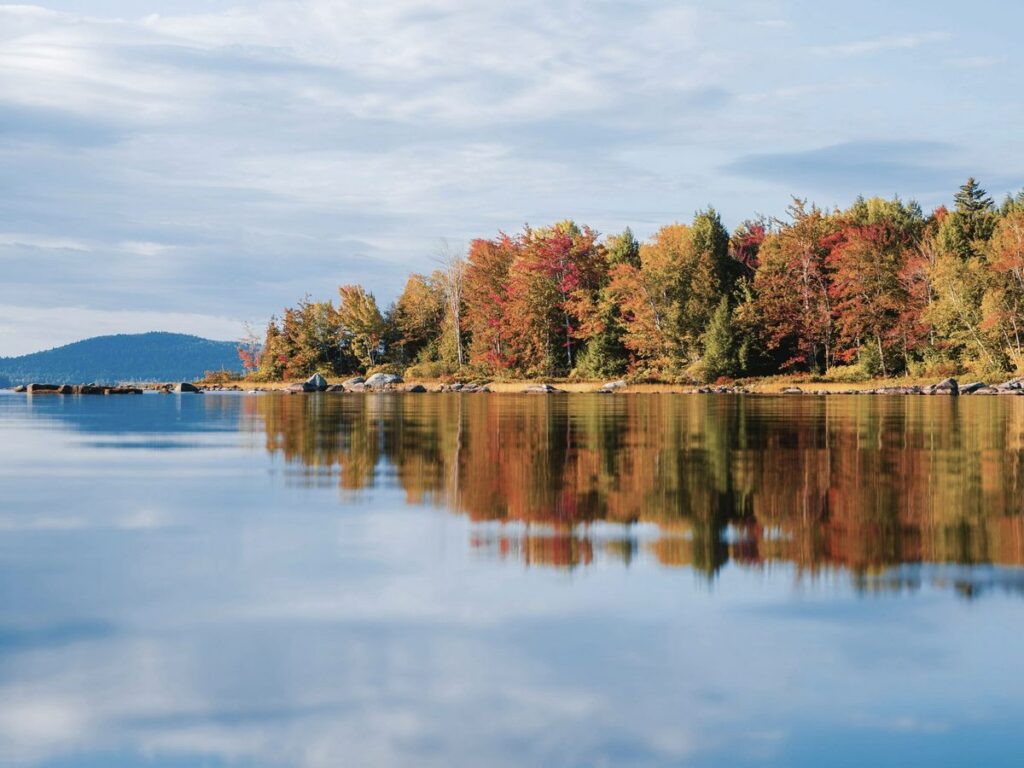
Think about what each season really means where you are. Mud season is real, and it changes how people shop, travel, and plan. The short, busy summer brings visitors, packed schedules, and its own kind of energy. Fall here is one of the most celebrated seasons in the country: foliage, harvest, comfort food, and the tourist rush winding down. Winter, depending on where you are, means either ski season or the long, quiet months that test every small business.
Each of those gives you a natural content theme. You don’t have to invent reasons to post. The season hands them to you. The trick is planning for them instead of reacting to them.
Plan Three Months Ahead, Post One Month Ahead
Seasonal content works best when it’s planned before the season arrives. A rhythm that works well for a lot of Maine businesses: plan your themes three months out, create the content a month ahead, and start publishing two to four weeks before the season peaks.
By the time customers are actively thinking about fall activities, you want to have already been posting fall-relevant content for several weeks. By the time they’re searching for winter services, your content should already be answering their questions. Being a step ahead of the season makes your content feel timely rather than reactive.
Connect Your Business to What People Are Actually Thinking About
The most effective seasonal content doesn’t just say “it’s fall, come see us.” It connects your business to what your audience is actually thinking and feeling during that time of year. A few examples from different Maine industries:
A restaurant on the coast: Instead of just posting “Fall menu is here,” tell the story of the local farm you get your butternut squash from. Post a photo of the kitchen in early October: the warmth, the smells, the shift from seafood to hearty soups. Let people feel the season through your business.
A home services company: September is when Maine homeowners start thinking about what needs doing before winter. Furnace tuneups, roof inspections, firewood, storm windows. A checklist, a reminder, or a behind-the-scenes look at a winterization job is exactly what your customer needs to see at exactly the right time.
A retail shop: Shoulder seasons, the weeks between peak tourist season and the holidays, are tough for Maine retailers. Lean into local customers during those quieter stretches. Content about “Maine as it really is” speaks to year-round residents in a way summer-visitor content doesn’t.
Use Slow Seasons to Build for Busy Ones
One of the smartest things a Maine small business can do during slow periods is create content that will pay off during the busy season. A restaurant in January has time to shoot beautiful photos of their summer specials for use in May marketing. A tour operator in the off-season can create video content, update their website, write blog posts that will rank in search engines by the time visitors are searching. A retail shop can develop their fall marketing campaign when they’re not overwhelmed with summer foot traffic.
Slow-season content is an investment in your busy season. When the effort happens while you have breathing room, you’re not scrambling to market when you’re already stretched thin, and that’s a real edge.
Don’t Ignore the In-Between Moments
Maine has unofficial seasons that aren’t on any calendar but that everyone here knows. Ice-out on the lakes. The first warm weekend in April that sends everyone outside. Mud season, unavoidable and deeply relatable. The last weekend of summer. The first real snowfall. That stretch when the leaves are down but ski season hasn’t started.
Those in-between moments make great content because they’re so specific to Maine and everyone feels them. A post about the shared experience of waiting for spring, or the beauty of a foggy November morning on the coast, connects with local customers in a way a generic “fall is here” post never will.
Local Events as Content Anchors
Maine’s events calendar, from the Lobster Festival in Rockland to the Common Ground Country Fair in Unity to countless local fairs, races, and town events, gives you ready-made content all year. Even if your business isn’t officially part of an event, joining the conversation around it shows you’re part of the community.
Sharing event news, encouraging customers to go, showing your own participation, or just acknowledging what’s happening in town builds the kind of local goodwill advertising can’t buy.
Seasonal content done well makes your business feel like part of the community you serve, not just a business that happens to be located there. That sense of belonging is one of the most valuable things a local business can build.
If you’d like help planning content around the rhythms of your year, here’s how I handle content creation, or get in touch and tell me what your busy and slow seasons look like.