
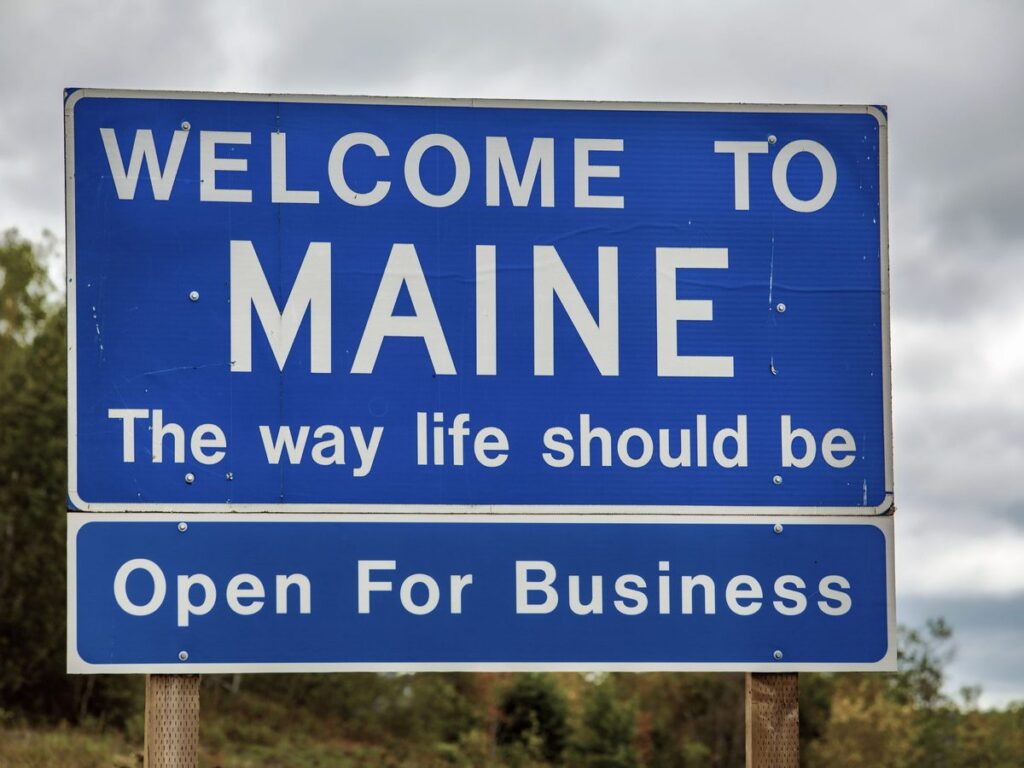
A lot of marketing advice is written with cities in mind: dense markets, lots of competition, and customers who’ve never heard of you before they find you online.
That’s not what running a business in a small Maine town looks like. In Castine or Rangeley or Millinocket or Eastport, you’re not marketing to strangers. You’re marketing to your neighbors, your kids’ classmates’ parents, the person you see at the hardware store on Saturday mornings. Big-city playbooks tend to fall flat here, or backfire.
Here’s what’s different about marketing in a small Maine community, and how to make those differences work for you.
Your Reputation Is Your Marketing
In a small community, your reputation is already your strongest marketing, for better or worse. People talk. They know who does good work, who keeps their word, and who shows up on time. In a town of 3,000 people, one job that goes badly can travel a long way. So can one that goes really well.
That’s why, in a small town, marketing and the day-to-day running of your business overlap more than they do anywhere else. Every customer interaction is part of your marketing, whether you think of it that way or not. Your marketing’s job is to make sure the reputation you’ve already earned is easy for people to find and pass along.
Trust Takes Time and Community Matters More Than Content
In small Maine towns, showing up in community life often does more than traditional advertising. Sponsoring a local team. A booth at the town fair. The Chamber breakfast. Volunteering. Taking part in local Facebook groups as a neighbor, not a salesperson. None of it looks like marketing, but it builds the kind of trust that turns into business.
That doesn’t mean other marketing doesn’t matter. Community trust makes everything else work better. An ad seen by someone who already knows your name from the fair lands very differently than one seen by a stranger.
Local Specificity Is a Feature, Not a Limitation
Big brands spend a lot of money trying to feel local and authentic. You already are. That’s one of the best things you have going for you.
Use it on purpose. Name your town in your marketing, not just your county. Mention local events, landmarks, and seasons the way they actually feel where you are. Shout out neighboring businesses. Talk about the shared stuff your community knows well: mud season, the summer rush, ice-out, the particular quiet of a January week.
That kind of local detail connects with people who live there in a way generic marketing can’t. It also tells summer visitors and newcomers that your business is the real thing.
Maine Buyers Are Skeptical of Hype
There’s a cultural directness in Maine that affects how marketing lands. Understated, honest, and specific tends to work better than enthusiastic, superlative, and vague. “The best in Maine” claims are often met with skepticism. “Here’s exactly what we do, how we do it, and why we take pride in it” tends to earn more trust.
So write the way you’d talk to a neighbor: plainly, specifically, without a lot of promotional language. Be honest about what you offer and what you don’t. People who feel respected by your marketing come back and send their friends. People who feel sold to don’t.
Seasonality Shapes Everything
Maine’s seasons aren’t just a backdrop. They drive when customers are ready to buy, what they need, and what kind of mood they’re in. Marketing that ignores the season usually misses the moment.
Build your marketing calendar around Maine’s real seasons. Get ready for the summer crowd if you serve visitors. Have a plan for staying visible in the slow months. And make seasonal content that sounds like your town, not the generic “fall is here” post that could have come from anywhere.
The Internet Still Matters, Maybe More Than You’d Expect
None of what’s above is an argument against having a digital marketing presence. Even in the smallest Maine communities, people search Google before they call. They check Facebook to see if a business is still open. They look at reviews before they decide to try somewhere new. They look you up before they trust you with their home, their event, or their money.
A solid online presence (a complete Google Business Profile, an accurate website, and steady social media) doesn’t replace community trust. It backs it up. It gives your loyal customers somewhere to send their friends. It lets the newcomer who’s heard your name confirm you’re legit. And it helps visitors find you in the first place.
Small Maine community marketing is relationship marketing. It’s long-game, reputation-first, community-embedded, and honest. The businesses that thrive in it are the ones that play to those strengths rather than trying to import a marketing approach designed for a completely different market.
I’m based in Durham, and I work with businesses across Southern and Midcoast Maine. If you want marketing that fits how business actually works in your town, get in touch. I’d be glad to hear what you’re working with.